
Transportation of goods by rail transport. What goods should be transported by rail
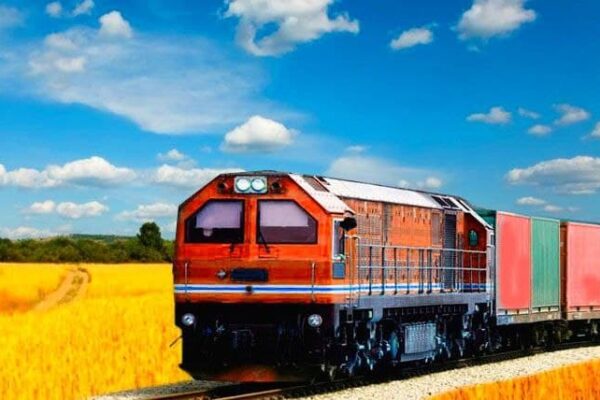
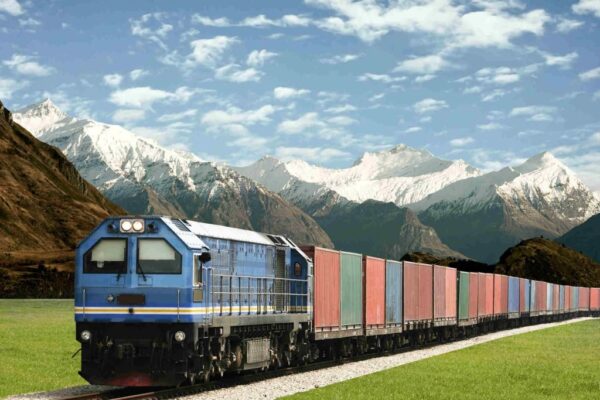
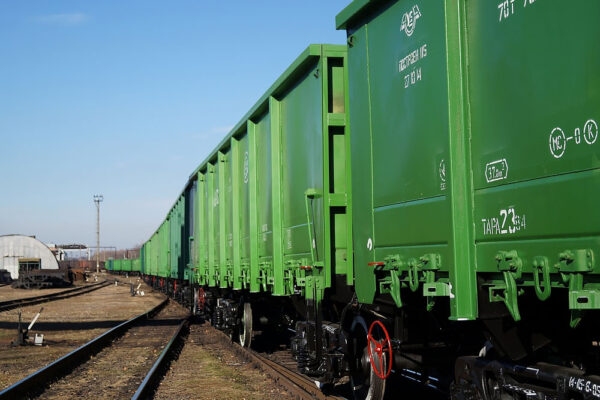
Transportation of goods by rail transport is one of the most efficient and economical types of long-distance transportation of goods, especially heavy and bulky goods. Rail transport is also safe and environmentally friendly – a large number of goods can be transported by rail at the same time, which makes it a very efficient and economical form of transport.
What are the advantages of transporting goods by rail?
The advantages of transporting goods by rail include: lower costs compared to other modes of transport, greater safety and less risk of damage to goods, lower emissions of harmful substances into the environment, less congestion on roads, better accessibility to remote regions, greater efficiency. and flexibility.
Advantages of cargo transportation by rail:
- saving time and costs,
- high efficiency and low fuel costs,
- the possibility of transporting a large amount of goods at one time,
- high flexibility and the ability to transport various types of cargo.
What are the costs of transporting goods by rail?
The cost of freight transportation by rail depends on many factors, such as the distance, weight and size of the cargo, and the type of wagon. For our clients, we prepare an individual estimate of the cost of rail transportation.
The costs of freight transportation by rail include:
- payment for the transport itself,
- fees for railway dates,
- fuel fees,
- insurance fees.
What goods do we transport by rail?
We transport by rail transport, including:
- Mineral resources: Coal, metal ores, stones, sand and others.
- Manufactured goods: finished products such as cars, machines, electronics and others industrial products.
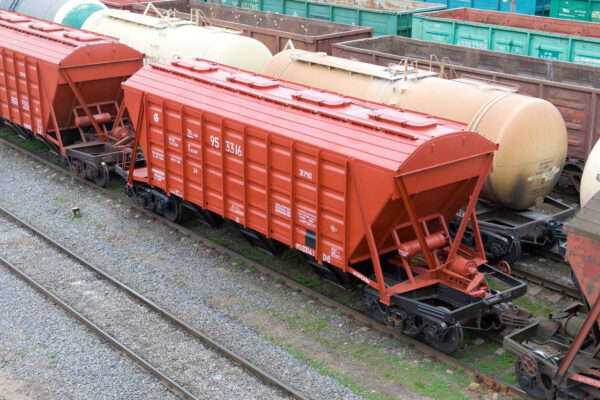
- Food and agricultural products: Railways are particularly useful for transportation of food and agricultural products such as grains, fruits, vegetables and meat due to the large volumes that can be transported at one time.
- Chemical substances.
- Furniture and building materials: large items such as doors, windows, plasterboard and others building elements.
- Industrial bulk goods: various products such as sand, crushed stone, cement and other bulk goods.
- Dangerous goods: certain dangerous goods, such as batteries, fuel and chemicals, at transportation with special precautions and safety requirements.
These are just a few examples of the goods we transport for our customers within rail transport.
You can clarify all the necessary information from the managers of the logistics company CLS by phone.